Mills & Reeve partner James Kidd, and Becky Wilson of Pure Resourcing Solutions are joined by guest speaker Nicki Williamson of The Wellbeing People to discuss effective wellbeing at work.
Recorded on 16 Sept 2021.
You can view the latest Mills & Reeve legal webinars here
I have just re-visited an article by Saul McLeod on Stanley Milgram’s experiment studying authority on obedience. This sprung out of some other work I had been doing on leadership and management, and a particular passage in Simon Sineks latest book ‘leaders eat last’.
65% of participants gave a possibly lethal electric shock to the recipient
Part of the findings of this incredibly controversial experiment was that 65% of participants, when instructed by an authority figure, gave a possibly lethal electric shock to the recipient, and all gave a substantial electric charge to the innocent person at the other end! But for me, the most horrifying part of the findings was that not one volunteer pressing the voltage button asked about the well-being of the shock recipient, even with the belief that they may just have killed another human being. In fact, their first thought was passing off the blame to the authority figure, to save themselves from any retribution.
Sinek linked this experiment to company culture, and how weak cultures allow the business figures to outway the importance of the people. As companies grow, they can become physically divorced from the human aspect of the business. Figures on sheets become the driving force, this then transfers to those who supply those figures, forcing them into decisions which may harm colleagues, customers, the business and themselves.
I have witnessed this myself, not so long ago in another company I was told to “stop worrying about the big picture, those who get paid more worry about that”. This was all because I questioned the wisdom of what we, as a company were doing. The figures ruled the roost, every day they were updated, you were judged not on the quality of what you delivered, and the human cost of that delivery, but by the numbers you produced, however you produced them! My context of the situation was this was turning employees inward, protecting themselves, forcing them to make decisions not based on the best interest of the client, or the company, but on behalf of protecting themselves.
The weak culture had allowed creativity to be stifled, departments to become siloed, blame to become more important than solutions, and ultimately decisions made blamed on those above them to protect themselves, sound familiar? Now I am not saying that figures should be ignored, far from it, however, it is only an overview of the situation. Doesn’t it make more sense for the figures to be led by the people rather than the other way around?
The business environment we live in is so fast moving, so uncertain that we cannot hope to cope with it alone. We often here the terms enterprising and entrepreneurial, and we will all have our own thoughts on what theses mean. For me enterprise is about making the most of the resources available to you, to create something different or new. Entrepreneurs are those with the vision to identify those resources, no matter where they may come from and then connect them together for those new or differentiated items.
This means collaboration, trust, the vision of a bigger picture, and in the case of enterprise within companies, or intrapreneurship, the freedom and safety to explore possibilities without the fear of being cut off at the knees for mistakes. As Sinek explores further, the story behind 3M’s post it note is a classic example of a strong culture allowing one persons ‘not quite right’ not to be hidden through fear of retribution, but to be picked up by somebody else and explored further as a collaboration between those who created something as simple, but spectacular as the post it note. And for those who are unaware, the post it note came from a failed glue product, and another employees search for a book mark which didn’t fall out of his church bible, that is the beauty of allowing something out into the world without fear, you never know where inspiration strikes.
So, as an organisation which would you prefer, a mercenary workforce prepared to throw their colleagues and clients to the wolves for profit Or human beings who are empowered to create the next post it note and drive the numbers?
Over to you!
You can find this article and more from Harry Harris here
I am the perfect person to help you find your happiness through mindset, motivation and movement.
My positivity is infectious (I am told), I like to have fun and I enjoy motivating everyone that I work with to give them the confidence that they can make positive changes.
My own journey to becoming the healthier and happier version of myself that I am today has had its ups and downs and I know from experience that making better choices isn’t always easy but my can-do attitude and determination coupled with my tried and tested methods will get you on your journey.
Fast forward to now and I have completed 6 London Marathons in under four hours and I am the current European long distance triathlon champion in my age group.
My awareness and understanding of the importance of balancing my training, eating and most importantly sleep and rest has come a long way over the years and it is these experiences and knowledge coupled with my academic studies that make me your perfect role model to work with.
From personal experience, freelancing can be a very isolating and potentially lonely place; many days are spent working long hours on projects and commissions alone without any social interaction. Humans are social beings and interacting with others has a positive effect on our mental and physical health, lowering levels of stress, depression and anxiety. Of course, we can sustain our normal functioning levels with short periods of time in isolation, but to increase productivity and efficiency we need to be socialising.
From this desire to connect working professionals, the growth of coworking spaces has dramatically risen over the last five years crossing the pond from the US, into London and spreading throughout major cities in the UK. WeWork is one of the most notable and recognisable companies to specialise in coworking spaces globally, designed for freelancers, start-ups and entrepreneurs. Perhaps now recognised as a brand in its own right, WeWork is renowned for its contemporary interior style, wellness perks and flexibility in working arrangements, as standard they even offer prosecco on tap!
A sense of community is a key benefit that coworking spaces strive to promote. Spaces offer a fluid approach to working, often removing the ‘fixed desk’ style of traditional offices and instead opting for multifunctional areas that allow for movement and interaction with other members. Users of coworking spaces can effectively choose on a daily basis whether they would like to work at a desk, in the onsite coffee shop or in comfy lounge areas. It promotes choice, flexibility and a constant opportunity for interaction and social working.
However, to be social doesn’t necessarily mean meeting friends for a coffee or drinks at the pub; working in a room of other likeminded people with small interactions throughout the working day is a valuable way to be social. This is a form of ‘passive’ networking, meaning you don’t set out to meet new people and form connections but that they grow organically with fellow members.
Whether interaction between members occurs or not, being in an often more relaxed environment surrounded by peers at an equal stage of business can promote a sense of support, particularly for creatives, where traditional formalities of the corporate world are diminished. This in turn generates a natural way to network, share ideas, generate feedback and start building relationships that have the potential to lead to member collaborations.
Opened in 2015, Soho Works is one of these highly sort after spaces, designed to cater for creatives, it offers a photography studio, 3D printer and a library. As part of the Soho House brand this space is, as expected, driven by detail, and it is clear time has been spent to make the space functional, flexible and inviting for all of its members in order for them to work at their best creative capacity.
Looking professional is often a big worry for start-ups and entrepreneurs, especially if working from home and trying to meet new clients. Almost all spaces allow members to book a choice of private meeting rooms to formally host clients, but also offer the flexibility of providing social meeting spaces that are within a working environment. Another added benefit is the option to register your company address to your coworking premises, a bonus for those solo entrepreneurs who do not yet have a permanent or professional base. It is an attractive way to begin building a formal image of your company.
Further benefitting the concept of community and social interaction, workplace wellness is a hugely important consideration for coworking networks in order to attract new members. Not only are the majority of spaces open 24 hours a day, offering complete flexibility in working hours, but they embrace modern day awareness that good physical and mental wellness is a crucial factor in improving workplace performance.
For starters, the energy and atmosphere of a coworking space should be an inspiring one, so that any hours spent at a desk are motivating and productive. Yet to address overall wellness and tempt us away from endless hours at a laptop, many membership options will include gym access, or exercise classes such as yoga or HIIT, with some stretching to treatment rooms, spa facilities and cinema evenings. The aim, to address our currently overlooked approach to an equal work-life balance, and achieve a happier and more sustainable attitude towards working.
Every coworking group has its own unique niche, to target individual needs and create a more focussed group of likeminded members. The Ministry offers its users an on-site recording studio and tequila bar, whilst ‘room service’ for your desk is a benefit to clients of Mortimer House. Female only memberships are on offer at the All Bright Fitzrovia, whereas Uncommon London provides a space decked floor to ceiling with plants and pumps calming scents through the air. One other notable mention is OneCowork Marina, which is situated directly on Barcelona’s beautiful beachfront.
You name it, there will be a hub out there to offer any perk you could wish for, each competing for the very best in benefits and facilities to be set apart from the rest. Could there be an argument here however, that one day these perks could simply distract from the original intent of a coworking space, a space to assist professionals in successfully growing a business and career? Whatever your stance, it’s tricky to deny that most of these spaces are incredibly enticing!
Popularity of coworking is continually on the rise, and the massive variety in membership options seems to cater for the needs of everyone. With hubs popping up in further reaching areas of the UK, and the rest of the world, we can be sure that for every business out there the opportunity to explore the benefits of coworking will be just around the corner. It is clear that this way of working is so far removed from dull, carpet-stained offices of the past, and it seems to be only just getting started. Can there really be any downside?
Mills & Reeve has recently hosted a webinar series on COVID and the future of work, to explore how it will change the way we work, even after the pandemic has receded. My colleagues and our other contributors have given participants a lot to think about.
Its well worth viewing the recordings (available here) but here’s a taster of some of the key themes that emerged.
Flexibility
At the risk of stating the obvious, we all need to be flexible. Clearly employers and HR departments need to plan ahead, but they also need to be flexible enough to adjust at short notice to the inevitable changes in regulation and guidance as the virus and the steps taken to combat it both continue to evolve.
While most employers probably do not need any encouraging in this direction, it is worth following Government plans to amend the right to request flexible working. We don’t have any firm details at the moment, but one change may involve removing the current six month qualifying period before the right can be exercised.
Engagement with the workforce
The second lesson I took from the webinar series – in many different contexts – is that staff engagement is more important than ever before. Staff have had to adapt to a great deal of change while their resilience has been impacted like never before with factors such as: performing front line roles during a pandemic, the psychological isolation of remote working, or the additional pressures of supporting school age children at home.
As restrictions are relaxed, it is essential to engage with the needs of the workforce before attempting to balance these with any conflicting business objectives. Certainly there is an opportunity to build back better: while the relatively care-free pre-COVID days are bound to evoke feelings of nostalgia, many may not wish to return to exactly the same working environment. That means that staff input into what would work best for them is an essential starting point.
Understanding the limits of remote working
Despite the very rapid advances in technology – and our ability to use it – over the past year, there are still some things that can’t be done as well remotely. When re-imagining the workplace for the post-COVID era it is import to understand what these elements are.
One of our speakers referred to a study by McKinsey which analyses the effectiveness of different tasks when these are done remotely when compared with in person, across a number of different countries. So for example they found that updating knowledge and learning is typically about 80% effective remotely. This dropped to about 30% for establishing workplace relationships, and even lower for training and mentoring. There have also been useful studies of the different biases that emerge when conducting meetings online rather than in person, including this dictionary of behavioural biases from the LSE.
It is clear from these new studies, as well as past experience, that designing an effective hybrid working policy involves much more than working out the optimum percentage of home working for any given role. It is also necessary to consider how the component tasks are managed, to ensure they are done in the most effective manner.
Working from abroad
In our experience, one unforeseen impact of the pandemic is that it has led to an increase in the numbers of staff working remotely from abroad for UK employers, often on an ad-hoc basis.
These arrangements, if not properly regularised, can lead to a number of risks for both employer and employee – for example the obligation to pay tax and social security contributions in the host country and need to obtain a work permit or visa.
Reviewing working arrangements as the lockdown eases creates an opportunity to establish a clear policy on whether working remotely is permissible, and if so in what circumstances. Given that each country has different immigration and tax rules, professional advice will be required in the host country before authorising any such arrangements.
For more information about staff working remotely from Europe, please see here
Equalities considerations
There is a complex relationship between increased flexibility and equality and diversity issues. To take one example, it has been an advantage for many parents to be able to work flexible hours from home rather than fixed hours at their employer’s workplace. Leaving the choice of whether to continue to work from home entirely up to employees risks “baking in” existing gender based inequalities around responsibilities for childcare.
Other risks arise from the differences in the dynamics as between remote and in person communication. Staff working remotely can struggle to make their views heard, and the absence of an on-site presence may translate into reduced access to informal learning and development opportunities, or being overlooked for promotion. If not properly addressed, one of the potential disadvantages of working remotely could be to amplify existing workplace inequalities, for example in relation to race or disability.
To connect with Sara on LinkedIn please visit her profile here. If you would be interested in receiving further updates from Mills & Reeve you can register for these on our sign up page.
There are two parts of laughter. The first: the sound and the second: the gestures. When we laugh our bodies do both these actions. It is an involuntary action and we can’t choose what we do and don’t find funny.
The process starts in our frontal lobe. The frontal lobe is located at the front of the brain and is split into two halves. The left is for our practical side and the right is our creative side. When we hear or see a joke both parts of our brain are used. The left side determines if the sounds and images we are seeing are a joke and the right tells us if the joke is funny.
Once this is determined the limbic system gets the message that we need to laugh. It then send signals to parts of our body that show the physical signs.
What are the benefits
There are many benefits to laughing but here are a few :
Improves your overall health- It can boost the immune system, reduce stress and even reduces blood pressure.
Laughter releases endorphins- Endorphins are the happy/feel good chemicals in the brain so when we laugh these endorphins are released and we feel happier.
Laughing actually burns calories- a study found that laughing for 10-15 minutes a day can burn 40 calories.
Although having a good chuckle is great. We don’t have to really laugh to make us feel happier. By just making the sounds and gestures we can trick our brains into thinking we are laughing for real. This is why laughter therapy and yoga popularity has risen in recent times.
How can you experience more laughter
After a stressful day it could be a good idea to do one of the following to help you feel less stressed:
In this article, we explore the concept of workplace wellness, the benefits for business and some of the practical steps you can take to support your team’s wellbeing.
Before we delve into why workplace wellness is important, we should start by explaining what it is. A good place to start is the International Labour Organization definition. It says:
“Workplace Wellbeing relates to all aspects of working life, from the quality and safety of the physical environment, to how workers feel about their work, their working environment, the climate at work and work organization.”
Put simply, ‘workplace wellness’ refers to the impact that a place of work has on individuals’ mental and physical health.
In recent years you may have noticed growing interest in the topic from both businesses and their employees. Why? Because there are big benefits for both parties. In fact, according to the Health & Safety Executive (HSE), 28.2m working days were lost in 2018/19 due to work-related illness; 12.8m of these were due to stress, depression and anxiety. That’s a lot of lost time for a business of any size.
Workplace wellness has also been linked to increased productivity, employee loyalty and retention rates. And given that it costs an average of £3,000 to hire someone in the UK, it’s clearly in a business’s interests to support their employees’ wellbeing.
And the benefits of workplace wellness for employees is clear too: individuals are healthier, happier and more inclined to enjoy their jobs.
So if you’re convinced of the benefits, what are the key steps you can take to improve wellbeing in your workplace?
Health initiatives
Encourage your employees to engage in healthy activities. From on-site yoga and fitness sessions, to giving away free fruit and healthy snacks, businesses can support healthy behaviours.
In fact, the benefits of exercise go beyond the physical. The endorphins and hormones released during exercise can help with mental health. Plus, team activities help employees to bond and feel like they belong.
And while open-plan offices get a bad rep, there are actually health benefits. Recent research published in the British Medical Journal shows that employees in open-plan offices are 31.8% more active than those in cubicles and private offices.
Ergonomic Environments
While it should come as no surprise, it’s worth a mention: furniture has a big impact on health and wellbeing.
The HSE states that 2.8m working days were lost due to back disorders in 2018/19. This could be eased or avoided by providing the right equipment, such as desks and workstations set at the correct height.
If your employees work remotely, consider investing in equipment for home working, reducing their risk of injury.
Biophilic Design
Biophilic design is a big trend right now, and for good reason. Biophilic design incorporates elements of the natural world into interior spaces to promote wellbeing.
From increasing the number of natural surfaces to promoting natural light and airflow, there are multiple different aspects to the trend. Want to incorporate biophilic elements in your workplace? Research shows that the presence of plants in a building can increase feelings of wellbeing by as much as 40%.
Flexible & Agile Working
While similar, these two practices are slightly different. Flexible working allows employees to shift their working hours and places of work to fit in with their lives, while agile working is more focused on the most efficient means of completing a task, which may include flexible working.
Either way, it can have significant benefits for individuals and businesses. Multiple studies demonstrate that increases job satisfaction and results in greater productivity.
Coronavirus Considerations
Of course, it would be remiss of us to not mention the ongoing coronavirus pandemic.
The virus has prompted businesses around the world to focus on workplace wellbeing like never before. Employers have made widespread changes to working practices to ensure the health and safety of their teams.
As a result, even the most traditional of businesses have introduced flexible and remote working. Office layouts have changed to introduce social distancing measures, while outdoor meetings have resulted in increased exposure to nature.
And it’s not likely to stop there. The impact of the pandemic will continue to affect our understanding of workplace wellbeing long into the future. We, like you, will have our eyes focused on the new trends as they develop.
Find out more
At Layrd Design, we’re committed to workplace wellness. Founder William Mayes is training to become a qualified WELL practitioner, formalising his skills and experience in this area, creating healthy, productive workplaces that encourage employees and businesses to thrive. If you’d like to promote workplace wellbeing in your business, get in touch.
Disclaimer:
Thank you for visiting our bog! This blog is a resource guide for inspirational and informational purposes. All the information found on my blog should be used at your own risk. All photos that are not taken by Layrd Design are linked to their sources and are widely available to download on the internet by the general public.
All the written content is copyrighted, copying of our written texts are prohibited.
It’s safe to say most employers know that things won’t simply go back to normal when their teams return to the office. And while some organisations won’t reopen their offices at all, it’s likely that 89% of UK businesses will opt for a hybrid model where employees work from home some of the time. But these businesses need to consider more than who will return to the office and when.
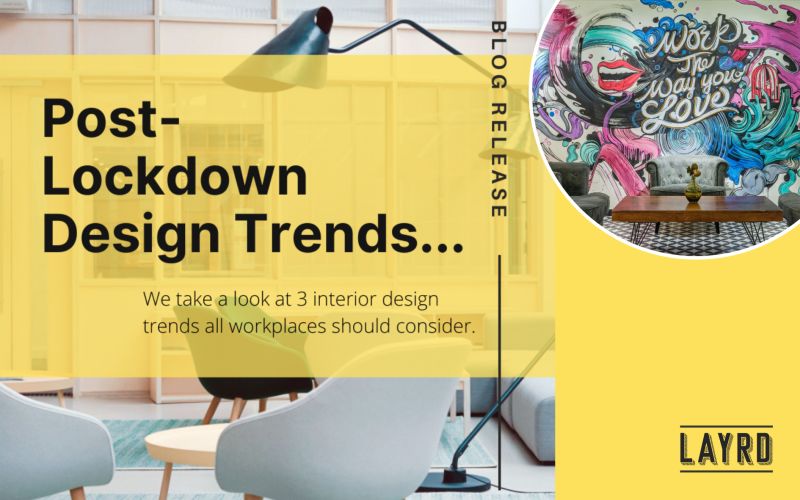
Three current interior design trends highlight the ways in which employers can help their teams successfully return to the workplace. In this article, we explore how updated approaches embrace the positives of home working and eliminate drawbacks in ways that nurture employee well-being, collaboration and engagement.
1. Introducing the comforts of home
The presence of pets, partners and kids meant that most people had to adjust to remote working. Naturally, they gravitated to the places and spaces where they were most comfortable or worked most efficiently. They mixed things up in ways that felt right. Working from home meant people could find – or create – ideal working conditions throughout the day.
Now, the flexibility and adaptability of home is set to become an important ingredient in a productive workplace.
Giving people options and some measure of control over their environment isn’t just about physical comfort, of course. Varied and adaptable spaces allow for a wider range of activities and reduce the friction between digital and in-person interactions (and meetings where both happen at once).
This trend also sees businesses moving away from minimalist aesthetics. Instead, they’re adopting a cosier, more relaxed look and feel, emphasising tactility and texture.
In fact, we’re currently seeing this play out with our own clients, with businesses opting for wooden desks and soft, woven curtains to increase the warmth and tranquillity of their workspaces.
2. Spaces for interaction and innovation
The ratio of workspace to social space is shifting as employers seek to overcome the feelings of isolation suffered by many remote workers, attempting to create a sense of community amongst their teams.
Increasing opportunities for chance encounters, team-building and collaboration will be a priority in the post-Covid workplace.
And while a generational shift over the last 20 years has meant employees are valued as individuals, not assets, that has been accelerated by the pandemic. Now it’s more important than ever that workspaces invite self-expression and human interaction. It rewards the personal investment they make in their work and increases their commitment to business success.
Creating opportunities for collaboration and knowledge exchange can benefit the bottom line too. Just take a look at how the tech giants furnish their offices. Introducing ping-pong tables, game consoles and snack bars create conditions for socialising. That gets their smart, engaged employees talking, which leads to innovation and growth.
3. Solutions for headspace and privacy
Without a doubt, the return of face-to-face interactions at work will be a welcome change. That said, there will always be a need for private spaces for focused work. A recent study found that 9 out of 10 people listed a ‘quiet, professional environment’ as one of their primary motivations for returning to the office.
Businesses are now incorporating zones for quiet working – including sound-proof pods – into their office spaces. These distraction-free solutions benefit employees deep-diving into a task.
They’re also ideal for confidential meetings. Online conferencing is here to stay, especially with hybrid arrangements, which mean that people will continue to work with colleagues and clients via Zoom and MS Teams.
The closed-door office spaces of the past aren’t returning, but quiet conditions still play an important role in a productive workplace.
Planning your team’s return to the office?
Get in touch to learn how we can help you to create a positive, productive space for your workforce.
The gift of time, flexibility, and balance are some of the benefits people have enjoyed during the last year.
In contrast, childcare, communication, and IT were the biggest challenges as we adapted to a world of work that looked very different.
The Engaging People Company wanted to find out what it was like for people working during a pandemic – what was good, and less good, and what could be taken forward into a post-Covid world.
As well as hearing about benefits and challenges, there were some great examples of employee engagement shared too. Around communications, appreciation, social engagement, and wellbeing. For example, one employer offered unexpected incentives like free takeaways.
Looking ahead, people want continued flexibility, from their organisation, along with technical tools and engagement and communications. From managers, things such as mental health support, communications and trust are important.
Some people decided to change their career aspirations as a result of the pandemic – for reasons such as pursuing a new purpose or spending more time with family.
Director Michelle Gant said: “The survey offered some great ideas but it’s a toe dip in the water.
“What matters is that employers ask their people: find out what matters to them, what they need, then listen, and respond accordingly. And keep asking. Because people’s views change – especially as society starts opening up more. Keep listening. Keep responding. Employee engagement, it’s not a one-off thing. It’s an ongoing journey.
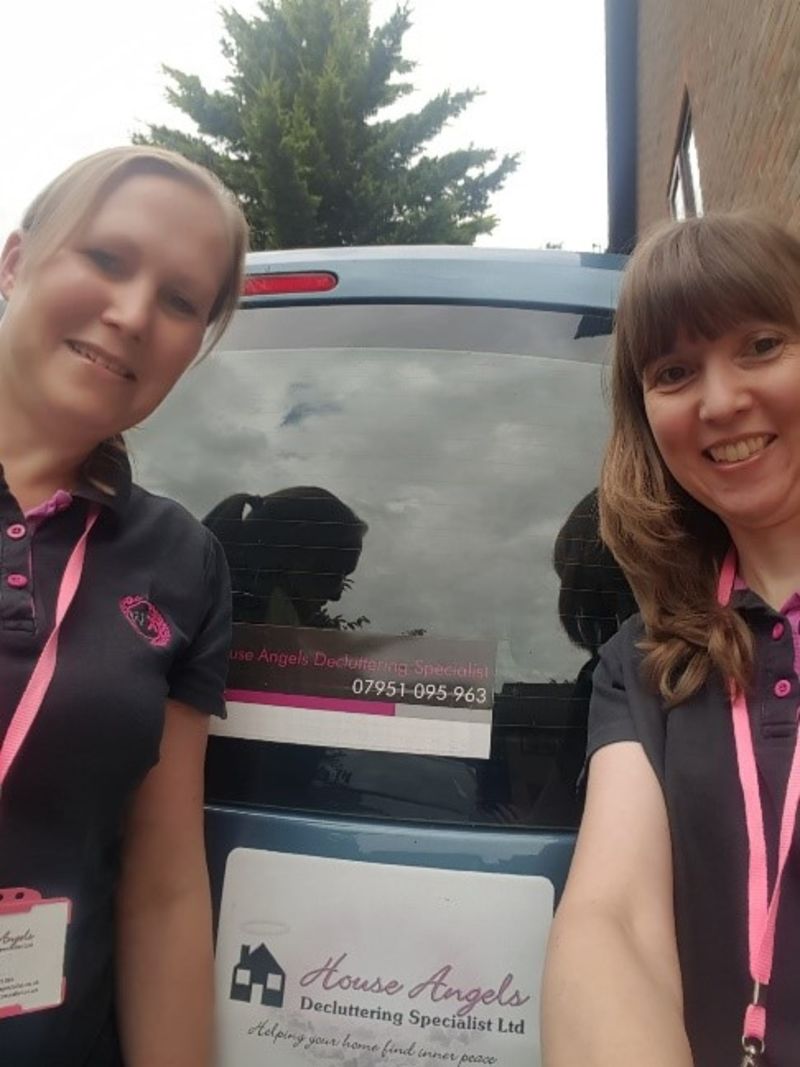
House Angels provide hands on, highly practical support for Norfolk people who are struggling with clutter or disorganisation around their homes. Many of their clients have had falls due to clutter becoming a trip hazard or other issues relating to their physical or mental health.
House Angels can make living conditions safer, improve the quality of people’s lives, enable a cleaning team to go in, prevent a person from being evicted from their home or clear space for maintenance work to be carried out. They aim to look beyond the clutter to the person behind to find out more about them and understand the changes that are needed.
The idea for House Angels was formed out of experiences within their own family. Initially intended as a service to help people who were living in cluttered and disorganised conditions, as their father had been before he was admitted to hospital. As the idea evolved, they also thought about how their grandmother’s house had needed reorganisation and adaptions before she could return from hospital because her mobility had deteriorated. They had support around them to help make the changes that were needed but knew not everyone was so lucky.
They enrolled on a business start-up course and gradually House Angels was born; finally launching in 2019. There were mistakes along the way and it’s been hard work, especially during the pandemic when they couldn’t see a way through. But, as is often said, they learned as much from mistakes as success! The pandemic has definitely taught them to be flexible, have confidence in what they do and not to give up.
A real positive for them has been joining the Community Catalysts project in Norfolk. It opened up many doors, put them in touch with social care and other small enterprises in the area and helped them to focus on where they want the business to go and adapt the services that they offer today.
It’s been a long journey but they now feel they have a business that they can be really proud of and they’re getting lovely feedback from their clients and their families. One client’s reaction really summed this up. They had completed a 3 hour declutter and clean-up of his kitchen and bathroom. When he came to inspect their handiwork, he welled up and said “You have made me feel human again”. Another client, that they had worked with over many weeks, decluttering and clearing his late mother’s possessions commented “Every visit brings light into the house, lifting my spirits too!” Decluttering may seem to some like a luxury service but for House Angels client’s it can be life changing. They give their clients back a tidy house but also a home they can enjoy living in again.
In the words of the Blues Brothers, “We’re getting the band back together again”. Well, maybe not the band but do you want to get your team back together again?
After more than a year of staff working from home, others being furloughed, and those who have remained in the workplace, we are all missing the social interaction between colleagues. Making time for non-work activities and making sure everyone takes a break during the day is vitally important for the health and wellbeing of your staff.
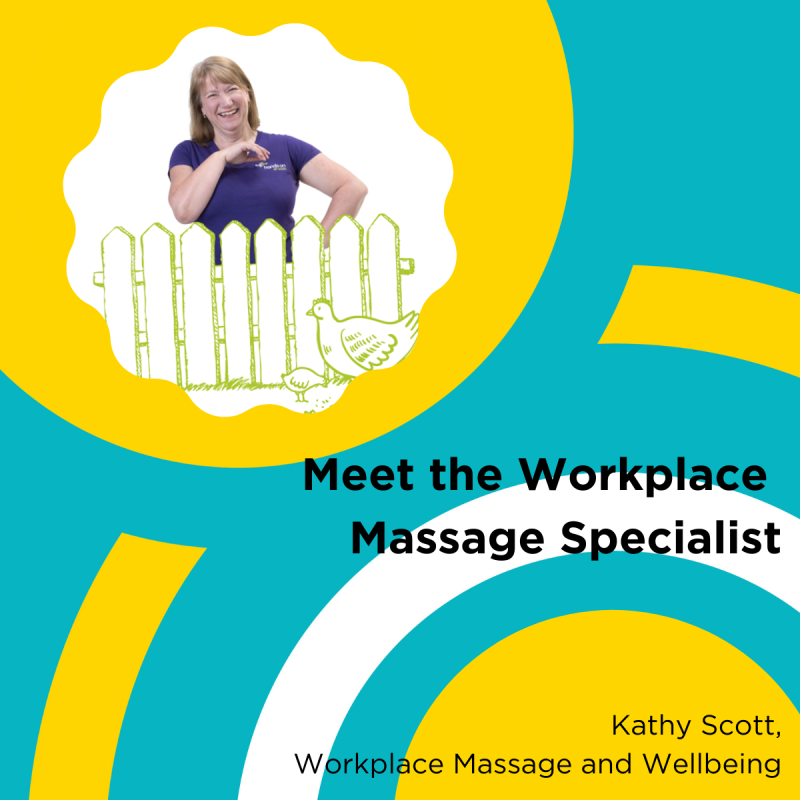
Hands On At Work specialises in workplace massage and wellbeing services. Just turning up at your door with our massage chair creates a buzz about the place and lifts the atmosphere as the anticipation rises of a good pummelling to free those tight back, neck and shoulders.
Or feel the energising force of laughter with one of our Laughter Yoga sessions, harnessing that feel-good factor.
Or calm everything down with our peaceful videos of nature and affirmations, the gentle moves of Qiki Gong, or the benefits of a good stretch with our Desk Yoga.
Companies who put health and wellbeing at the centre of their business create productive, engaged, and motivated teams which in turn provide excellent customer service and which ultimately reflect upon you as a great employer to work for.
Call us now to find out how Hands On At Work can help you create a wellbeing strategy with long term benefits.
Does the idea of losing your best people give you sleepless nights? Would you struggle to replace people if they leave? Do you find it difficult to attract and keep great employees? Do you sometimes feel like your employees don’t live up to your expectations?
You probably love your business. You’re likely to be passionate about it and, if you’re like most small business owners, put your heart and soul into its success. Yet finding employees who share that passion, who are willing to put in the extra effort, is hard. And when you do get them, keeping them is even harder. In this article, I’ll explain what YOU can do to build a business that great people LOVE working for and never want to leave.
Performance = Potential – Interference
In Leadership that Gets Results (published in the Harvard Business Review), Daniel Goleman explains that there are 6 key factors that minimise interference and increase employees’ performance. Get these right and you’ll have high-performing, happy teams who love their work. Get it wrong and you’ll never get to see just how good they could have been.
The 6 steps to Maximise Motivation are:
Clarity:
This is the biggest and most important. In order to perform at their best, people need to know where they’re heading, what’s expected, and how everything fits together. It requires clarity of purpose from the top, and then continuous and consistent communication. If you get it right, your people will know the mission and direction of the business, what is required of them, and the role they play in achieving overall success.
It’s easy to say, but can be tricky to get right. A 2020 study by Gallup showed that 35% of U.K. employees strongly agree that their employer has communicated a clear plan of action in response to the coronavirus, compared with 50% of U.S. employees. If your team does not do what you expect, consider how well you have communicated with them. It might be that a little more clarity would make them more effective, more efficient, and make leadership a lot less frustrating.
Standards:
If you’re looking for high performing employees (and who isn’t!?), it’s essential to set standards. To get the most from staff, they need to understand the expected levels of performance and ‘what good looks like’.
How well do you set and communicate standards? Do people know what they need to achieve? Are there goals which are both stretching and achievable? Does underperformance get addressed, or is it allowed to continue?
Companies with high standards have clear goals, aligned with the overall vision, and leaders monitor progress against them. High achievers thrive on hitting goals, so make sure you set some so they’re motivated to keep hitting them.
Responsibility:
Do you find that you’re forever getting interrupted by staff asking you to review work or make decisions? It can be frustrating for leaders to do this, but it’s just as limiting for employees. High performers like to be given responsibility and run with things, so check whether you’ve given clear delegated authority.
Let your staff know what decisions they are authorised to take, what they need to refer to others for, and help them take full ownership of their own work. Good people will actively seek extra responsibility and will want the chance to take ownership for the success of their work. If they need to run everything past the boss, they are unlikely to feel full ownership. And if the boss makes all the decisions, guess who takes the blame when things don’t go right!?
Look for people who like responsibility, but challenge yourself too. Are you really delegating what you could be or does your inner control-freak get the better of you?
Rewards and Recognition:
When you mention rewards, thoughts often turn to money, and yes, people need to feel they’re getting fair pay for the work they do. But actually money is only one form of reward. In fact, the most admired companies pay 5% less than their competitors. Why? Because people want to work for them for more than pay. They want the training, the exciting work, the exposure to brilliant colleagues and the culture as well as the money and the right name on their CV.
Committed and driven employees like to know how they’re doing. They want timely and meaningful feedback from a credible source. They want to know whether they’re meeting expectations and where they need to improve. And they want to work in a meritocracy, where the best performers get more praise, reward and recognition than those who don’t perform at the same level.
To get this right, make sure you’re praising and recognising more than you’re criticising. Find people doing something right and make a point of praising them. Make celebrating achievements a habit and give more of the credit to those who deserve it most, then watch as people strive to achieve ever more!
Flexibility:
Richard Branson is credited with saying “Red tape will often get in your way. It’s one of the reasons I often carry scissors.” One of the big causes of underperformance in the workplace is employees feeling like they spend too much time and effort battling against bureaucracy. Whether that’s systems that need automating, ineffective processes that inhibit performance or unnecessary rules and regulations that slow things down, bureaucracy kills productivity.
That’s not to say rules, systems and processes are not important. They are. But they should be focused on increasing productivity, not decreasing it. Hold regular discussions to find ways of working more efficiently. Ask the team what they need to work at their best and you’ll quickly foster a culture where people feel involved, and focus on finding solutions rather than complaining about problems.
Group commitment:
Get the 5 factors above right, and it’s likely you’ll have a committed team, pulling in the same direction and united around a common goal. They’ll achieve great results and be understandably proud of their work and the company they work for. And they’ll go t
he extra mile for you, their colleagues and their customers.
Not only will talented people want to work in that environment, they’ll be way less likely to leave. In fact, your company will become a magnet for ambitious, talented people who want to do great things.
Why the hell would anyone want to work for you?
It’s easy to bemoan the lack of talent and loyalty in the marketplace. If you take the “You just can’t get the staff these days” attitude, frankly you are unlikely to find them. Start a little closer to home. Start with this question: “Why the hell would anyone want to work for you?”. If you can’t clearly articulate this, I’ve got good news and bad news:
The bad news: great people will probably go and work somewhere else. And your best people might too.
The good news: you’ve now got a framework to build a culture where you get great performance from your people and they love working for you.
It’s not easy, but it is doable. You just need to be deliberate, determined and disciplined.
To find out more about how I may be able to help your Norfolk business thrive then please don’t hesitate to get in touch on 01603 559590 or email [email protected] – you can also get in touch through my contact form here. If you’d like to know a little more about my experience, expertise and accolades then click here.