Faye Watts, business consultant and founder at FUSE Accountants.
There’s truth to the maxim that people leave managers, not businesses. So how do you become the kind of leader people want to work for?
As an SME founder, you may find yourself managing a growing team without having had adequate preparation in the art of leadership. Your management style will affect company performance, yet, like many leaders, you may feel uncertain as to how to get the best out of your staff.
“When I started my business nearly 10 years ago I didn’t intend to be a boss nor appreciate the importance of good leadership,” says Faye Watts, business consultant and founder at FUSE Accountants. “I now have a team of 10, and leadership has become the core focus of my role. Going from employer to leader takes soft skills training, an understanding of people, and the realisation that your people feed off you, so every action you take is being witnessed by your team.”
Your leadership skills can have a dramatic impact on your ability to retain staff. Last year, a Gallup poll found that 75% of workers who voluntarily left their job did so because of their boss or immediate line manager. So how can you get it right? Here are some golden rules.
1. Be flexible
Paula Hutchings, owner/director at Marketing Vision Consultancy, learned first-hand the damage an inflexible boss can do to a workforce.
“After maternity leave, I was offered a full-time-or-nothing option on returning to work with zero flexibility or room for negotiation. So I chose to leave,” she says.
“One of the biggest mistakes a boss can make is not listening properly to the reasons why an employee has decided to leave the organisation and/or not taking the time to see if small changes may result in the employee deciding to stay.”
Inflexibility can also manifest as a rigid approach to working style, says Ricky Muddimer, co-founder and director of business consultancy Thinking Focus.
“If you work for someone with a fixed mindset, it can be infuriating: they’re inflexible, prescriptive in the way you should approach a task, or not open to the opinions of others. It shows a lack of trust in your people,” he says.
The management solution
Try to adopt a more flexible approach to working styles and structures. “Being a good boss means finding the right balance between what’s important to you or the company, and what’s in it for the employees personally,” says Muddimer. “You can’t expect your employees to have the same priorities as you, but the more flexible and open you are to their way of working and how they use their skills, the more they will buy into your plans and priorities.”
2. Stay tuned to your staff
Along with flexibility comes the ability to listen to your team and take their opinions on board. “One of the biggest lessons I’ve learned about being a good boss is to consider everything from all perspectives, not just mine, and to listen and encourage,” says Katherine Caswell, chief commercial officer at sales promotion consultancy Opia.
It’s a similar story for London-based property developer Nicole Bremner, founder of East Eight and London Central Developments. She now manages a team of five staff at East Eight, and places listening at the heart of her role.
“We all have personal issues in our lives we need to deal with, and part of being a good boss is ensuring we remain empathetic to those personal issues while still remaining firm on policies in place,” she says.
“Being a good boss means finding the right balance between what’s important to you or the company, and what’s in it for the employees personally”
Ricky Muddimer, co-founder and director, Thinking Focus
She adds that managers need to be willing to act on what they hear, and to allow staff roles to evolve and develop in line with their needs.
“Beware of keeping a person in a role long term because that’s the role you need them to fulfil,” she says.
The management solution
Keith Bevan, sales and marketing director of business services provider Suresite, which employs 49 people in Preston, Lancashire, says small business leaders should talk with every member of their team on a daily basis to understand their workload and deadlines and any potential barriers to achieving them.
“It also really helps if the leader is privy to information about any external pressures and stresses that could impact on the employee’s ability to perform,” he says.
If checking in daily is impractical, aim to create regular opportunities for discussion and feedback, suggests Watts. “We do two reviews per year and give the team an opportunity to tell us how they would run FUSE or whether they would do anything differently to get them thinking about the client needs and those of the business as a whole.”
3. Learn to let go
As your business grows, you’ll have to trust your team to take on some of the tasks you initially carried out yourself. Failure to do so can make staff feel undervalued and frustrated.
“Micro-managing is never advised,” says Bremmer. “I’d rather my team make mistakes or get stuck and then ask for help, than to ask me for help along the way or have me guide them through. Hopefully, they’ll come up with a better way or system than I’ve even thought of.”
The management solution
With a mixture of support, trust and guidance, you can nurture your team so they’re able to fulfil their responsibilities in the way that works best for them.
“In my earliest days as a leader, if someone’s work was not up to standard, I’d want to redo it myself and pull all the cards in closer to my chest,” says Bevan. “As my confidence and ability developed, my strategy changed to coaching people through how they could perform a task even better next time around. I’ve also learned it’s very important that people feel they can approach you and ask for a tighter brief or greater explanation if necessary.”
Tips for becoming a great boss
Ricky Muddimer offers the following advice to help you become a better leader.
Understand how the people working for you see the world It will be different from how you see the world. Inspirational leaders can communicate from other people’s perspectives.
Have a growth mindset This sees the world as abundant, with growth and success created through effort and learning.
Provide structure and clarity Ensure people understand what’s expected of them and by when.
Connect your people to your purpose At an organisational, departmental or team level, establish what’s the ‘ding’ you’re trying to make in your universe and communicate it clearly and regularly to your people.
Help people to get out of their own way and believe in themselves We all need someone in our corner rooting for us and this is the role of a good boss.
Further Reading
Management strategies: the six questions you need to ask your staff
Management strategies: why mentoring matters
Five flaws that could be your biggest strength in business
We have a thriving and diverse community of thousands of entrepreneurs from multiple sectors, backgrounds and skill sets helping you to connect with the right people at the right time. No matter whether you’re looking to upskill, get feedback, engage with new people or simply observe, there’s something for everyone.
‘Want to learn more? Register for NatWest Business Builder to view all of their business development tools. Click HERE‘
If you really want to know what your team think of you and your business, these questions will help create a clear image.
1. What frustrates you about your role at the moment?
This question is a great one for SME owners to ask, says Peter English, a management development consultant and author of Tackling Difficult Conversations, because about 40% of people focus primarily on resolving problems in their lives. “These are people who are more aware of problems and get more annoyed by them,” he says. For the other 60%, it’s still a good question because it can unearth all kinds of issues.
English says many owners have a natural aversion to this line of questioning because they’ve been tutored in the ‘think positive’ school of thought. “They also fear that they won’t be able to address the issue that’s frustrating employees, or that the answer might be about their management style,” he says.
Why it’s worth asking: It should give owners a true snapshot of what their staff are thinking about their daily grind. “Owners won’t always be able to solve the problem, but they can often do something about it – maybe meeting staff halfway,” says English, who adds that bosses should try not to act defensively to employees’ suggestions.
2. What can I do better as the owner of the business?
This question – unthinkable to some bosses – turns the spotlight 180 degrees. Nelson Phillips, professor at Imperial College Business School in London says that feedback could be transformational if the owner is brave enough to listen.
“Owners often think that employees will feel free to speak up and tell them their ideas, observations, and suggestions, but this is very often not true,” he says. “Hierarchy always looks much more distant looking up than looking down.”
Why it’s worth asking: The team may well be holding back – especially true, says Phillips, if the founder is charismatic and full of self-belief. “Asking this question is, ironically, most useful for owners who are least likely to ask it,” says Phillips. “This is a version of the feedback paradox: the people who desperately need to receive feedback will do everything they can to avoid it.”
3. What do you think of the service we currently provide to our customers?
If the customer is king and your team’s on the frontline when it comes to dealing with them, getting staff to open up about their thoughts on the customer experience can be a valuable exercise. Caroline Dunk, owner of business consultancy the CDA Organisation, says this question often helps identify opportunities to improve customer service by making changes to key processes.
“I’m the only person in this business who can make blanket changes quite easily, so I tell the team that if something can be better, they should let me know”
Adam Greenwood, CEO, Greenwood Campbell
“We carried out some work for a mobile phone retailer to improve the service in their high-street stores; many of the changes that we made were based on ideas that came from their store staff when we asked them this question,” she says.
Why it’s worth asking: As well as unearthing new suggestions to improve the customer experience, Dunk says this question will help you to identify which members of the team really care. “Even if you don’t agree with every detail, a considered, passionate response will tell you that the individual is engaged with the goals of your organisation and wants to deliver an outstanding customer experience,” she says.
4. What can we as a company do better?
It seems such a blindingly obvious thing to ask the team, but Laura Jackman, assistant professor in entrepreneurship at Edinburgh Business School, says many owners simply never get round to it.
“The ‘we’ aspect of this is important because staff need to feel that it’s safe to be honest and not just say what they feel the boss wants to hear,” says Jackman, who cautions against asking this purely as a box-ticking exercise with nothing happening as a result. “When that happens it’s hugely de-motivating and staff quickly realise that their opinion isn’t valued,” she says.
Why it’s worth asking: “It’s open-ended, and in my experience frequently brings out both problems and opportunities,” says Jackman, who reiterates the importance of acting on at least some of the feedback. “I think you can ask staff as many questions as you like but if they really don’t feel ‘safe’ to answer honestly, it’s utterly pointless,” she says.
5. How can we improve working here?
Happy staff and a work culture in which they thrive are much-sought prizes for many owners, and Adam Greenwood, CEO and co-founder of digital agency Greenwood Campbell, says the best way to get there is to ask the team what they want.
“I’m the only person in this business who can make blanket changes quite easily,” he says, “so I tell the team that if something can be better, they should let me know.”
Why it’s worth asking: Staff are the lifeblood of any enterprise, and the happier they are, the more likely they are to propel a business forward. Don’t ask, and resentment and grievances may simmer. “Last year we took two members of the team away to a big digital conference in the US,” says Greenwood, “and some of those who didn’t get to go questioned why I only took those two. So this year I said: ‘OK, we’re going to take everyone.’”
6. Are you clear on the wider business objectives and your role in achieving them?
“A lot of business leaders make the assumption that employees know the business goals and the part they play – and that everyone is pulling in the same direction,” says business coach Rebecca Morley. Unfortunately, this isn’t always the case – as Morley discovered when she recently put this question to a senior leadership team. “In a number of cases there was some ambiguity around the goals and their role, and it can lead to inefficiency,” she says.
Why it is worth asking: “Sometimes the simplest questions can make the biggest difference,” says Morley. “Business is a machine, and everyone needs to be playing their individual role in making it move forward effectively. If someone is misaligned, it creates an issue not just for them but for the business and the people around them.”
Further Reading
Leadership lessons: how to be a good boss
Management strategies: why mentoring matters
Five flaws that could be your biggest strength in business
We have a thriving and diverse community of thousands of entrepreneurs from multiple sectors, backgrounds and skill sets helping you to connect with the right people at the right time. No matter whether you’re looking to upskill, get feedback, engage with new people or simply observe, there’s something for everyone.
‘Want to learn more? Register for NatWest Business Builder to view all of their business development tools. Click HERE‘
The ability to develop, understand and regulate your mindset and behaviours is central to becoming an effective entrepreneurial leader, so throughout this module we’re going to give you some key tools and techniques to help you develop your self-awareness further.
In this module you’ll explore:
What is self-awareness?
Why is self-awareness important for an entrepreneur?
How to develop your self-awareness
Start by downloading and saving the workbook to your computer, to use throughout the module, capturing any key takeaways and completing the exercises at the end of each chapter.
What is self-awareness?
Self-awareness is the ‘keystone’ of emotional intelligence. But what does that actually mean?
In this chapter we’ll understand what self-awareness actually is and why it’s important to you as a business leader, and start to look at some key tools to develop your self-awareness.
Test your self-awareness
In this chapter we’ll continue to explore your self-awareness by looking at different reflection techniques and how these can help you, as well as completing a simple psychometric test to give you a greater understanding of your social styles.
Developing self-awareness
Feedback is the final tool we are going to explore within this module and it is central to identifying, understanding and revealing elements of yourself that you were perhaps not aware of.
Further Reading
Management strategies: the six questions you need to ask your staff
Leadership lessons: how to be a good boss
Management strategies: why mentoring matters
Five flaws that could be your biggest strength in business
We have a thriving and diverse community of thousands of entrepreneurs from multiple sectors, backgrounds and skill sets helping you to connect with the right people at the right time. No matter whether you’re looking to upskill, get feedback, engage with new people or simply observe, there’s something for everyone.
‘Want to learn more? Register for NatWest Business Builder to view all of their business development tools. Click HERE‘
All employees with 26 weeks or more service have the statutory right to make a flexible working request. A request for flexible working could include a request for a change to the number of hours that the employee works, a request for a change to the pattern of hours worked, a request to job share or a request to perform some or all of the work from the employee’s home.
With many staff having to work remotely for almost a year now, they may wish to continue with this way of working even when their physical workplace reopens, so they may choose to make a flexible working request to work from home. Another example could be staff who have been furloughed may decide they wish to return on reduced hours as have enjoyed having more free time to spend with family and would like an element of this to continue.
Any requests received must be dealt with in a reasonable manner and in line with company policy and the ACAS code of practice. An employer has 3 months to respond to a written flexible working request and may wish to meet with the employee in this time to discuss the request and its possible impact on the business.
Should the business decide they cannot authorise the request they must provide one of 7 prescribed reasons for declining the request which are as follows;
the burden of additional costs;
an inability to reorganise work among existing staff;
an inability to recruit additional staff;
a detrimental impact on quality;
a detrimental impact on performance;
a detrimental effect on ability to meet customer demand;
insufficient work for the periods the employee proposes to work; and
a planned structural change to the business.
Whilst these reasons are there to decline requests, they do still need to be objectively justified to avoid any potential tribunal claims, in particular those based around discrimination.
If employers are not sure about the proposed arrangement, then it could be granted on a trial basis to assess how the new working arrangement would work in practice. Alternatively, an amended arrangement could be proposed by the employer to try and find a practice that works for both parties.
Whilst there is the legal angle on flexible working as outlined above, it is also worth keeping in mind the best practice view too. The whole county has been thrown in to making new ways of working work, and this has put flexible working on the map. There is growing pressure from campaign groups to offer more flexibility from day one of employment and it is also well known that employee expectations reflect that work should fit around personal commitments, not the other way around. By considering flexible working requests and moving towards a culture that fosters flexibility, employers will reap the benefits of higher levels of engagement, motivation and happiness from their employees.
You can view this original Lovewell Blake article and others here
If you have any specific questions or would like to speak to a member of the Lovewell Blake team, get in touch via email [email protected]
With teams working remotely it can be increasingly difficult to spot the signs that a worker is suffering with stress or nearing a point of burnout. According to the Mental Health Foundation 74% of UK adults have felt so stressed at some point over the last year they felt overwhelmed or unable to cope. The following points help identify the warning signs, enabling you to take action and provide support as required.
1. Ensure they are taking breaks
With teams working remotely it’s harder for managers to identity if staff are working through lunches. It can be tempting for a worker to eat at their desk and continue with tasks rather than taking a break. Managers should encourage the team to continue taking breaks whilst working from home and remind them of the importance of these breaks. Taking a break away from work and the screen is proven to improve productivity following the break.
2. Regular calls
Having regular communication with workers is not only important for their wellbeing and the flow of communication, it also allows managers to assess workload and help a worker delegate tasks if required. These calls also allow the manager to spot any differences in the worker’s characteristics which could be a sign of stress or low mood.
3. Encourage staff to take holiday
Whilst annual leave cannot currently be used for trips abroad or weekends away it’s still important for workers to take a break away from work to rest and relax. Managers should look to encourage staff to be booking holiday to help avoid burnout. This will also help prevent a build-up of holiday impacting staffing levels and business operations once the economy and borders open up again.
4. Monitor workload / working hours
The lines between work and home life can easily become blurred whilst working from home. Workers may stay logged on later as they no longer have their commute, evening routines or social plans prompting them to leave the office. You may be able to spot if an increase in working hours through increased levels of overtime, or maybe the time of day which emails are being sent or documents are saved.
5. Signpost to support
Lockdown and adapting to working from home has been difficult for many for a number of reasons. Look to provide information signposting staff to where they can access support, such as their GP or NHS wellbeing services. Aim to create a working environment where workers feel able to speak about any concerns they may have. It may be that you look to implement a wellbeing or mental health policy so workers know how to get support should they need it.
With the threat of an impending mental health pandemic impacting the nation as a result of lockdown restrictions it is important, now more than ever, to take a proactive approach with regards to workers’ health and wellbeing. Following the tips above will help ensure your workforce stay well and continue to be productive in the coming months.
If you require assistance with managing workers and their health and wellbeing, including drafting policies or training line managers then please get in touch with the HR consultancy team.
The original article was shared by Lovewell Blake and can be viewed here
If you have any specific questions or would like to speak to a member of the Lovewell Blake team, get in touch via email [email protected]
Maintaining a Team Ethos and Culture in a remote-working world.
For many employers, their ‘team spirit’ and ‘family feel’ are crucial parts of their identity. Many are concerned that this will be challenging to maintain if many staff are working predominantly remotely. We were lucky to hear from expert speakers C-J Green and Dyfrig Jenkins, plus insight from the accountancy awarding bodies.
How are people working now?
At the start of the session, Gareth ran a poll about how much different levels of staff will work from home in the coming months (October 2020 to March 2021). Here are the results of the percentage of the audience that gave each answer:
It is clear from the results that:
The vast majority of employers expect staff at all levels to be working from home at least three or four days a week.
Between 40% and 50% of employers expect that staff will be working from home all of the time.
This certainly made the purpose of the session extremely timely!
What are the reasons behind this?
After running the poll, the audience were asked for the reasons they would let staff work in the office, and we received a range of responses through the chatbox:
“We’re allowing people to work in the office if they are unable to work from home, be it the environment or IT connection. In addition, there are certain teams where they are ineffective from home so there is a requirement for them to be in the office.”
“Key office-based functions – telephone helpdesk, secure payments, IT support. Also, to support an individual’s mental health.”
“Systems dependent roles.”
“Exceptional circumstances to be agreed with the manager, printing, wellbeing, IT, customer-facing roles where essential services have to be provided.”
“Where they have a lack of space or IT to work from home. Where there are performance issues. Also just allowing people to see others for their own mental wellbeing.”
“Staff essential to maintaining the running of the office, e.g. admin team. New apprentices with their buddies, those unable to work at home. We have a third at home, a third full time in office, a third odd days. All under review depending and those wishing a break can request time in office.”
Our Speakers
This led nicely into hearing from our ‘dream team’, double-act of expert speakers Dyfrig Jenkins of YOU.DEVELOPMENT LTD and C-J Green of BraveGoose who both gave plenty of practical pointers for the listeners to implement.
In his fascinating talk Dyfrig referenced the ‘Engaging for Success’ report (link below) which highlights 4 enablers of employee engagement:
Strategic Narrative – visible and empowering leaders giving a clear narrative of where the organisation has come from and where it is going.
Engaged Managers – line mangers really make the difference by focusing their people.
Employee Voice – involve staff so that they are central to the solution.
Integrity – your values must be reflected in your day-to-day behaviours, don’t have a ‘say/do’ gap.
C-J was as inspirational as ever, some of her points really resonated with the audience:
Don’t convince yourself it’s a difficult situation. Ask yourself what’s great about it, think about what can be done differently.
Help team members identify their ‘mood hoovers’ and help them to deal with them.
Don’t spend all of your time in ‘stacked transactional output-driven meetings’. Create time for creativity and innovation.
have a proportion of ‘keep-free’ time to reflect, read, explore, learn.
Speak to at least one person (someone who gives you energy) each week with no ‘thing’ to achieve.
Connect people who wouldn’t normally have the chance to chat. Ten minutes talking to one of the senior leaders can make junior staff feel really connected.
Try ‘walk and talks’ on the phone with colleagues to give them and yourself the chance to grab some fresh air (and a break from video calls!).
An event calendar for cultural connections can give staff a sense of wider connection and gives ‘power over loneliness’.
We then welcomed additional insight from representatives from each of the min accountancy awarding bodies:
Fiona Hodgkin of ICAEW
Sharon Machado from ACCA
Trevor Robertshaw of CIMA
Anthony Clarke of the AAT
Our Session on Maintaining a Team Ethos was recorded. Please use the link below to access it:
You can watch the full discussion here
At the end of the session the audience was asked what key takeaways they had:
“One thing to explore is the notion of Airbnb experiences for your teams, one of our clients has adopted these with huge success.”
“I’m going to start making my “welfare calls” walking talks where possible and also ask each member of our management team to make contact with someone not in their team for a check-in.”
“I have just blocked out two hours of my calendar every Friday. And I have started organising a team-effort mega triathlon for Children in Need.”
“I’m going to check out those online tools (Nectar, Kazoo, Bonusly, Go Game) and save some time in my diary for planning.”
“We have already taken on 1-2-1s with staff, but making time in the diary for myself to reflect is something I will definitely do.”
Recruitment of the ‘COVID generation’ brings a new set of challenges for young adults entering the workplace, as well as for the employers hiring them. For the first time since WWII, there are massive changes to the way students study, are assessed, and in turn the skills they bring to the workplace. We believe it is important for employers to have information about these changes to ensure candidates are successful and the right recruit is hired.
Gareth invited a balanced panel of guest speakers, representing both students’ and employers’ perspectives on the topic. Exploring the impacts on the different parties involved, speakers discussed their answers to the following questions:
Questions for candidate representatives: Form the Future and Long Road Sixth Form College
1. What has the next generation of school and college leavers missed out on over the past 11 months compared to usual cohorts?
2. Which skills might these school leavers be lacking when employers encounter them?
3. What can employers do in their recruitment processes to help support these young adults to overcome some of the skills gaps and give the best impression of themselves?
Questions to the employer discussion panel: AstraZeneca, CBI, and Leeds City Council
From either your own experiences or from employers you talk to, have recent recruits already shown any skill deficits compared to normal school and college leavers?
1. Conversely, have any recent recruits shown any stronger skills since the start of the pandemic?
2. What allowances in recruitment have already been necessary to allow for these skills deficits?
3. What else can be done to plug these skills deficits when young adults join the workplace?
4. What advice would you give to employers who are currently undertaking their recruitment process?
Below are some highlight comments from the forum. You can watch the full recording of the forum by clicking the button below.
Employers should offer more virtual work experience and careers resources to help the COVID generation gain employability skills
Recruits should be considered on an individual basis as candidates will not have been impacted in the same way, this is especially true for disadvantaged students. Recruitment therefore may need a more tailored approach going forward
Students should be encouraged to think about relating their skills in interviews that have not been gained in the workplace
Employers could assist candidates by giving them ‘more scaffolding’ in applications to help students show what they are capable of. They can also give them tasks that let their natural skills shine, or give candidates a trial run
Mentoring can be beneficial for both new starters and the mentoree
Employers should not catastrophise the situation and should continue to encourage young adults into the workplace
Local employers can help schools in their area by providing career help and resources
Schools should tell all students about the apprenticeship route after school and college
Being more mindful of students needs may make the workplace more attractive, discouraging students to simply follow the university pathway
Promoting social activity in the workplace would help change the belief that university is the only way to gain those experiences
Key Comments
Candidate Representative: Anne Bailey, CEO and Co-founder of Form the Future
Anne helps young people to prepare for their careers, introducing them to different industries and jobs. Anne found that schools have had to squeeze their curriculum and cut careers resources since March 2020. For instance, Form the Future spoke to less than 5,000 students in the last year compared to the usual 20,000. Employers haven’t had the chance to go into schools let alone offer work experience; thousands of work experience placements have disappeared. Exposure to careers is too important for young people to miss out on, it’s too great a risk. Students can’t be what they can’t see.
A big impact on the COVID generation has been mental health. The opportunity to have a ‘terminal exam’ as a reflection on their progress and their futures has been swept out from under year 11’s and 13’s causing huge anxiety and uncertainty. Furthermore, part-time jobs in customer-facing, dynamic environments haven’t been available. These can be the making of young adults and a big boost to their confidence and developing self-awareness. There haven’t even been opportunities to evidence transferable skills such as teamwork through playing on a sports team, or organisational ability by holding a play.
Anne recommends that employers’ give ‘more scaffolding’ to help students better conduct themselves in interviews and stand out in a competitive job market. This includes allowing candidates to reach further back to link to examples of transferable skills. Furthermore, students should be taught how to talk about the transferable skills they have developed during the pandemic, like time management, working alone, and using online programmes. Interviews can favour extroverts and employers should give tasks and ‘work trials’ that favour the natural skills of introverts. Additionally, new starters could be paired with other young and relatable employees as mentors who can offer support.
Candidate Representative: Steve Dann, Vice President of Long Road Sixth Form College
Steve Dann, Vice President of a college of 2,500 students doing a range of level qualifications, gave insight from the perspective of the student. Steve believes the effects of the pandemic is going to ripple through the education system for several years. He states that it is likely to be younger children who are the most affected, impacting reading and writing. This is particularly the case for disadvantaged children. College students have been in the education system for most of their life and are more resilient to change. The educational impact is minimal compared to the effect on interpersonal skills.
2020’s college leavers had learned the majority of the syllabus by the time the first lockdown started. 2021′ college leavers will have had two academic years of disrupted learning, particularly in 2021. They have also missed out on the usual way of being assessed and graded through exams. This uncertainty and unfamiliarity has helped contribute to mental health problems, as well as changed the relationship between student and teacher. Teachers assess students based on their work throughout the year, meaning every piece of work is now held against them.
However, Steve does report that some benefits have come out of the changes to learning over the past year. Some students have thrived as they have gained extra hours in the day by not commuting. As well as able to work in their own time instead of around a teacher’s schedule, and generally had fewer distractions.
Steve advises that employers should not catastrophise the situation and should continue to encourage the COVID generation into the workplace. Employers should be wary about how grades are predicted in 2021 as it is still not yet confirmed how students will be assessed.
Employer Representative: Emma Wood, Talent Acquisition Partner at AstraZeneca
Emma reported that AstraZeneca has not seen any skills deficits in the young adults they are recruiting in 2021. They have seen a huge rise in applicant numbers for this round of recruitment with double the applications than usual and great feedback from virtual events they have hosted. However, she believes we will not see the full extent of the impacts of COVID-19 for a couple of years yet.
Mental health again came up as a top concern for the COVID generation. Students worry they will have nothing to show for their years of education without exams. Employers and teachers should be encouraging young adults to see the other benefits and years of hard work have brought for them. Including a strong work ethic and self-motivation that is essential in the workplace.
Emma agrees that there is going to be a considerable lack of work experience in candidates’ applications. She encourages recruits to think outside the box when discussing their skills without work experience. For example, helping someone in the community, or managing workload when studying at home.
Employer Representative: Alex Hall-Chen, Education Policy Advisor at CBI
Similar to Emma, Alex has not seen too much impact on this year’s cohort of recruits’ skills, she agrees it is likely to be more of a problem for next year. She is more concerned that the COVID generation will be lacking soft skills rather than subject knowledge. Soft skills like communication, time-management, problem-solving, and team working are what employers really look out for when recruiting. Students may also choose not to take education further due to their lost learning, which would help gap some of those missed skill bridges.
Alex advises that employers consider that no young person will have had their learning disrupted in the same way. Recruitment therefore may need a more tailored approach going forward. She also believes that new employees would benefit greatly from mentoring and peer support in place to help students adjust. Engagement with government programmes with learning on the job could be powerful in overcoming some of the issues.
Employer Representative: Tracey Greig, Employment and Skills Senior Manager at Leeds City Council
Tracey has seen a considerably larger number of students attending their virtual careers festival, implying they are thinking about employment opportunities. She says the main missing skills have been a lack of confidence and issues with resilience.
Some employers may be looking at GCSE grades instead of A-Level for comparison purposes and understanding a candidate’s capabilities. However, local employers can help schools in their area by providing career help. Including helping to put together a CV, virtual work experience, online interview preparation, and other employability skills to help young adults build a virtual portfolio. Equally, businesses can help young adults with interview preparation so that they can show the best of themselves.
This has proved invaluable for students when implemented in the past and can be great for a company’s brand identity. Employers should give students the opportunities to gain alternative skills to bring to their applications other than work experience. Tracey also argues all students should be introduced to apprenticeships, not just those who are unlikely to go to university.
Sophie at AAT comments that as a small employer, recruitment has been lower than normal with notably lower quality applicants. They are looking at adapting how they assess their new recruits accordingly, with competency interviews and tests that can assess the skills candidates might have but are not visible in a CV or interview. Employers should be prepared for gaps in CVs, recognising why it there and looking for potential. As well as taking into consideration external factors like limited access to WiFi and computers when assessing applicants. It must also be remembered that some people will never have actually been in a physical office environment.
Lucy from ICAEW points out that employers should be mindful of judgement about the COVID generation and those who have not achieved as much throughout lockdown. Sometimes just surviving is enough. It is therefore important to get to know how the candidate is as an individual. How you question students is going to be important to avoid unconscious bias.
Aleksandra from ACCA agrees with this more personal and tailored approach. It will be important going forward for employers to look at employees on an individual basis as they will suffer from differing gaps in knowledge. As well as different perceptions of work, and differing wellbeing and mental health concerns. Furthermore, younger employees and the COVID generation are tending to jump to technology for solutions rather than their accountancy training. Employers, therefore, need to think about bridging the skills gap between different ages. Inter-generational coaching can offer big benefits for both parties.
Trevor from CIMA argues that he has seen resilience in students who have been able to adapt quickly to the move to online exams with no change to pass rates. He agrees that the benefits of mentoring programmes are notable for both the mentor and mentoree.
Further Comments from the Audience
More applicants and lack of work experience
On the whole, members of the audience agree that a larger number of applicants have come in this year than usual. Not only are CVs more likely to lack work experience, but applicants are also coming from further afield. Furthermore, a large number of applicants graduated in 2020 and are now starting their career a year later than they would have done. Perhaps because they were unable to find a grad role last year.
Fewer careers events
Some employers have found they haven’t had as much interest from local schools with regards to careers events. One employer notes they normally help schools with interview and advice sessions but have done none this year. As a result, they have not seen as many school leaver applicants as yet. Schools do appear to have prioritised getting students through online learning and careers events have been pushed back. CV building and general awareness of apprenticeships and alternative routes into employment seems to be lacking still in many schools. There are however lots of insight programmes and resources available virtually to provide career information.
Skills gained
The COVID generation does have some advantages they can articulate to employers. The ability to cope with online working, study, and socialising without requiring excessive or disproportionate hand-holding and time investment from line managers. Demonstrating that they can be trusted to be efficient, effective and economical in terms of their work.
Concern for wellbeing
The audience agrees that wellbeing is a major concern as remote working can be a challenge to younger people, and often domestic arrangements may not be ideal for home working. Lack of social engagement without the office environment is cited as a major issue. Similarly, the anxiety of constant assessment and therefore the requirement for high performance on an ongoing basis is as well. However, a positive is that this form of assessment is more replicated in the workplace so maybe better for preparing students. It may open up a conversation to change the current exam system that can be an unreliable way to test performance.
Widening the disparity gap
With a move to online, digital exclusion and how some young people have limited access to computers and WiFi is likely to become a bigger problem. This will greater impact students from low SES backgrounds putting them at a further disadvantage. More widely, the impact of lost learning has been greater already for disadvantaged groups; if that isn’t explicitly accounted for in recruitment then workforce diversity may suffer.
There’s truth to the maxim that people leave managers, not businesses. So how do you become the kind of leader people want to work for?
As an SME founder, you may find yourself managing a growing team without having had adequate preparation in the art of leadership. Your management style will affect company performance, yet, like many leaders, you may feel uncertain as to how to get the best out of your staff.
“When I started my business nearly 10 years ago I didn’t intend to be a boss nor appreciate the importance of good leadership,” says Faye Watts, business consultant and founder at FUSE Accountants. “I now have a team of 10, and leadership has become the core focus of my role. Going from employer to leader takes soft skills training, an understanding of people, and the realisation that your people feed off you, so every action you take is being witnessed by your team.”
Your leadership skills can have a dramatic impact on your ability to retain staff. Last year, a Gallup poll found that 75% of workers who voluntarily left their job did so because of their boss or immediate line manager. So how can you get it right? Here are some golden rules.
1. Be flexible
Paula Hutchings, owner/director at Marketing Vision Consultancy, learned first-hand the damage an inflexible boss can do to a workforce.
“After maternity leave, I was offered a full-time-or-nothing option on returning to work with zero flexibility or room for negotiation. So I chose to leave,” she says.
“One of the biggest mistakes a boss can make is not listening properly to the reasons why an employee has decided to leave the organisation and/or not taking the time to see if small changes may result in the employee deciding to stay.”
Inflexibility can also manifest as a rigid approach to working style, says Ricky Muddimer, co-founder and director of business consultancy Thinking Focus.
“If you work for someone with a fixed mindset, it can be infuriating: they’re inflexible, prescriptive in the way you should approach a task, or not open to the opinions of others. It shows a lack of trust in your people,” he says.
The management solution
Try to adopt a more flexible approach to working styles and structures. “Being a good boss means finding the right balance between what’s important to you or the company, and what’s in it for the employees personally,” says Muddimer. “You can’t expect your employees to have the same priorities as you, but the more flexible and open you are to their way of working and how they use their skills, the more they will buy into your plans and priorities.”
2. Stay tuned to your staff
Along with flexibility comes the ability to listen to your team and take their opinions on board. “One of the biggest lessons I’ve learned about being a good boss is to consider everything from all perspectives, not just mine, and to listen and encourage,” says Katherine Caswell, chief commercial officer at sales promotion consultancy Opia.
It’s a similar story for London-based property developer Nicole Bremner, founder of East Eight and London Central Developments. She now manages a team of five staff at East Eight, and places listening at the heart of her role.
“We all have personal issues in our lives we need to deal with, and part of being a good boss is ensuring we remain empathetic to those personal issues while still remaining firm on policies in place,” she says.
“Being a good boss means finding the right balance between what’s important to you or the company, and what’s in it for the employees personally”
Ricky Muddimer, co-founder and director, Thinking Focus
She adds that managers need to be willing to act on what they hear, and to allow staff roles to evolve and develop in line with their needs.
“Beware of keeping a person in a role long term because that’s the role you need them to fulfil,” she says.
The management solution
Keith Bevan, sales and marketing director of business services provider Suresite, which employs 49 people in Preston, Lancashire, says small business leaders should talk with every member of their team on a daily basis to understand their workload and deadlines and any potential barriers to achieving them.
“It also really helps if the leader is privy to information about any external pressures and stresses that could impact on the employee’s ability to perform,” he says.
If checking in daily is impractical, aim to create regular opportunities for discussion and feedback, suggests Watts. “We do two reviews per year and give the team an opportunity to tell us how they would run FUSE or whether they would do anything differently to get them thinking about the client needs and those of the business as a whole.”
3. Learn to let go
As your business grows, you’ll have to trust your team to take on some of the tasks you initially carried out yourself. Failure to do so can make staff feel undervalued and frustrated.
“Micro-managing is never advised,” says Bremmer. “I’d rather my team make mistakes or get stuck and then ask for help, than to ask me for help along the way or have me guide them through. Hopefully, they’ll come up with a better way or system than I’ve even thought of.”
The management solution
With a mixture of support, trust and guidance, you can nurture your team so they’re able to fulfil their responsibilities in the way that works best for them.
“In my earliest days as a leader, if someone’s work was not up to standard, I’d want to redo it myself and pull all the cards in closer to my chest,” says Bevan. “As my confidence and ability developed, my strategy changed to coaching people through how they could perform a task even better next time around. I’ve also learned it’s very important that people feel they can approach you and ask for a tighter brief or greater explanation if necessary.”
Tips for becoming a great boss
Ricky Muddimer offers the following advice to help you become a better leader.
Understand how the people working for you see the world It will be different from how you see the world. Inspirational leaders can communicate from other people’s perspectives.
Have a growth mindset This sees the world as abundant, with growth and success created through effort and learning.
Provide structure and clarity Ensure people understand what’s expected of them and by when.
Connect your people to your purpose At an organisational, departmental or team level, establish what’s the ‘ding’ you’re trying to make in your universe and communicate it clearly and regularly to your people.
Help people to get out of their own way and believe in themselves We all need someone in our corner rooting for us and this is the role of a good boss.
We have a thriving and diverse community of thousands of entrepreneurs from multiple sectors, backgrounds and skill sets helping you to connect with the right people at the right time. No matter whether you’re looking to upskill, get feedback, engage with new people or simply observe, there’s something for everyone.
‘Want to learn more? Register for NatWest Business Builder to view all of their business development tools. Click HERE‘
NatWest Business Builder: Understanding your mindset
Feeling like a fraud as founder can be crippling, so here’s how you can tackle the dreaded imposter syndrome.
According to a survey published last month, the Microbusiness Index, a third (33%) of female micro-business owners in Scotland doubt their achievements.
Across the whole of the UK, around two thirds of SMEs say they have suffered from imposter syndrome and a fear that they’re going to be exposed as a fraud, or so found a 2017 study carried out by AXA Direct. Furthermore, women are more likely to admit to feeling like an imposter – 74% compared with 58% of men – and 44% of business owners say the self-doubt they’re plagued by is intense enough to be called a daily companion.
Suffering from imposter syndrome is often exacerbated by the fact that business owners may not have anyone to speak to about their concerns. Here, SME owners share their experiences and advice.
1. Age is just a number
Rachael Dunseath is the founder of Myroo, a plant-based skincare brand for sensitive and allergic skin. She launched the company just over two years ago, having previously had a successful career in financial services marketing.
“I knew it was a great idea – my research showed that the market needed these products – but I was so unsure about taking the leap,” she says. “My imposter syndrome hit its peak when I landed a place on an accelerator programme. I was surrounded by younger, more dynamic entrepreneurs, who were taking risks, being brave and hustling.”
While Dunseath is in her early 40s, many of her fellow entrants on the programme were in their 20s. Over time, Dunseath has found that a coping strategy has been to forget about her age and focus on what she wants to achieve instead.
2. Remember: Rome wasn’t built in a day
A lack of skills particular to your business can seem daunting. For Nikki Hollier, owner of Border in a Box, a ready-made garden border template kit, it was her perceived lack of plant knowledge and general horticultural skills that she believed was holding her back.
“I worked in corporate IT for two decades and recently retrained as a garden designer, so I’m always concerned about not being good enough,” she says. “I’ve learnt to deal with it by reminding myself that Rome wasn’t built in a day.”
What this means in practice is focusing on improving the skills needed to make the business a success and, in time, you’ll find that people will start to take you seriously, explains Hollier.
3. Break down daunting tasks
“I always think of it [imposter sydrome] through the lens of the common mountain analogy,” says Callum Hemsley, co-founder and CEO of Eola, a platform and marketplace for adventure sports and outdoor activity centres.
In the analogy, the mountain is a big task that needs to be navigated and overcome to reach a destination or end goal. Hemsley says that if a particular task is too daunting and is heightening your imposter syndrome, then it’s helpful to break the task down into manageable chunks.
“Doing this reduces the feeling that the whole cannot be accomplished and makes your targets seem within your capabilities,” he says.
4. Enter awards
Dunseath and Hollier are in agreement that entering awards can not only help your business to gain recognition, but also give you confirmation that you’re doing a great job.
““The company had won awards before, but I’d managed to explain those away. This was a huge, national win, though. Even I couldn’t take the shine off that”
Rachael Dunseath, founder, Myroo
“I won Micro Business Entrepreneur of the Year at the 2016 Great British Entrepreneur Awards,” says Dunseath. “The company had won awards before, but I’d managed to explain those away by telling people that not many others had entered. This was a huge, high-profile national win, though. Even I couldn’t fully take the shine off that.”
While losing out on an award might feel demoralising, it shouldn’t be seen as a setback. Instead, you should use it as an opportunity to enter more awards – to seek the recognition you believe your business deserves, argues Hollier.
5. Don’t be afraid to market your business
Helen Campbell, a business mentor and PR coach to SMEs, says that one thing is clear from her experience of dealing with clients: many business owners and founders tend to be reluctant to promote themselves.
“A lot of them are in a loop where they feel awkward about self-promotion, but if they don’t market themselves they bring in little-to-no work, which then worsens the imposter syndrome,” says Campbell. “In some cases, this lack of promotion will lead to the business failing. It’s important to remember that marketing your business is not boasting. Not showing off your skills and expertise, however, can stop you from reaching your potential.”
Campbell’s advice is to find your own authentic style and a way of promoting yourself that feels right for you, amplifies your talent and aligns with your company’s values.
6. There will always be doubters
Regardless of success, there will likely always be those who’ll doubt you.
“It’s best to avoid these people, as they can bring your confidence down quickly,” says Hollier. “But while some are very mean-spirited, equally, there are some who are absolutely wonderful, so make sure you surround yourself with them.”
7. Ask yourself: what’s the worst that could happen?
In the two years it’s been running, Myroo has grown its team and its products are stocked up and down the country, including in stores of fashion chain Anthropologie. Myroo is also about to announce a significant international account.
“I do still battle the imposter demons, but I’m getting better at knowing how to handle it,” says Dunseath. “And I now realise that failure can be a good thing as long as you learn from it. My mantra is: ‘What’s the worst that could happen?’ The reality is usually not as bad as you think.”
We have a thriving and diverse community of thousands of entrepreneurs from multiple sectors, backgrounds and skill sets helping you to connect with the right people at the right time. No matter whether you’re looking to upskill, get feedback, engage with new people or simply observe, there’s something for everyone.
‘Want to learn more? Register for NatWest Business Builder to view all of their business development tools. Click HERE‘
NatWest Business Builder The Importance of Mindset
Disruptive businesses make a big splash in the media, but how does the thinking behind them come about? We look at the key rules of disruptive business thinking.
The word ‘disruptive’ used to refer to poor behaviour in the classroom, or the impact of strikes on the railway. But the tag is now far more likely to be linked to new types of business, where market value often outweighs investment and costs. Both Uber and Airbnb entered the already crowded markets of minicabs and holiday lets, but their rethinking of the entire model was what saw them race to the top at a pace traditional businesses could only dream of.
The media can’t get enough of them, and their business growth was largely driven by digital-native millennials who had the technology. Both are now large enough to commission television ad campaigns and PR drives to mop up the older generations.
So how can other start-ups in diverse sectors use this model to dominate (or at least radically change) the marketplace?
1. Find the gap in the market
Finding the gap may require mentally dismantling your target market and rethinking it from scratch. How would you start if you were the first one into the market, or what can you do that no one else can? Uber has as many detractors as fans (as is often the case with disruptive models), but there’s no denying it does away with the lottery of knowing which cab company to ring for the fastest and cheapest journey.
“Disruptive ideas come from having an attitude to challenge and push to improve established ways of doing things,” says Jas Bagniewski, CEO of innovative mattress retailer Eve Sleep. “I think if you try to improve every aspect of an industry, becoming disruptive is inevitable.
“When we started, we looked at how we could improve every aspect of the traditional mattress-buying experience. That way of buying – going into a showroom and lying down awkwardly for 10 minutes – is broken. We offer a better experience for customers because you can buy online quickly and easily, we offer next-day free delivery and you have 100 nights to try the product. By selling direct to customers, we can also offer a premium product for a better price.”
2. Be a true original
The first thing any business will need to do is ape the old Apple slogan of ‘think different’. It may be a business-speak cliché to speak of thinking outside the box, but disruptive entrepreneurs need to do little else in the initial stage of their start-up. Without that spark and a USP, their business is just another ‘me-too’ company that could simply get lost among the competition.
True disruptive thinkers and entrepreneurs are few and far between. So great ways to disrupt often come from teams of thinkers coming together to create a business, or outside experts being brought in to rethink a market. You want the kind of idea that makes people wish they’d thought of it.
“I think if you try to improve every aspect of an industry, becoming disruptive is inevitable”
Jas Bagniewski, CEO, Eve Sleep
3. Solve a problem
“Ours was a consumer problem rather than a gap in the market,” says Tom Cavill, co-founder of property investment business Bricklane.com.
“We started with the problem that we and many friends had, then worked hard on an innovative solution. Before Bricklane.com, you either had to scrape together a huge deposit and invest all you had with a mortgage, or you were shut out of the market. We allow you to own a stake in a property [with others], whatever your situation.
“We feel we’re disrupting several markets: we allow first-time buyers to keep up with the market as they save and allow those who can’t or don’t want to buy to receive the financial benefits of ownership. Renters living in our homes also get better service and stability than is average in the market.”
4. Don’t forget the small print
It’s easy to see disruptive thinkers and doers as the anarchists of the business world, but none of them would get anywhere without considering the legal or ethical implications of their new ways of thinking and working.
If you’re testing the boundaries, you can be sure lawyers will want to as well, especially when people start putting large valuations on your business. Make sure the way you wish to operate complies the law and financial regulations because small slip-ups can be costly. If your app is bumped from app stores for minor violations, you could be set back by months.
5. Think about time efficiency
Millennials drive the market for disruptive business and famously want everything done now, whether it’s their food delivered or their finances sorted.
Airbnb took a concept that was only accessible on obscure community pages and brought it to the fore, saving hours of searching and competing with hotels along the way. If you can reduce complex tasks to a couple of clicks, you could be on to something.
“We’re disrupting the automotive retail space by consolidating the customer journey of buying a used car,” says Maximilian Vollenbroich, co-founder of Carspring.co.uk, a business that allows you to search for the car you want, find financing and arrange delivery of your pre-checked motor all in one hit. “Whereas a consumer would have to do transactions with multiple parties – from the dealer, financier, insurance and warranty provider and breakdown cover – at different places and times, we enable them to sort this all in one place.”
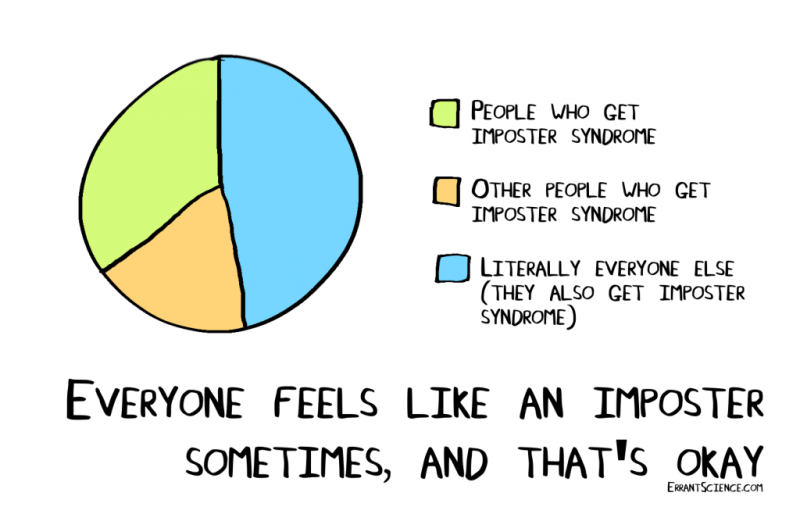
Impostor syndrome (also known as impostor phenomenon, impostorism, fraud syndrome or the impostor experience) is a psychological pattern in which an individual doubts their accomplishments or talents and has a persistent internalized fear of being exposed as a “fraud”.
Weirdly while many people struggle with imposter syndrome, many people discuss it and there is lots of content around detailing the issue the ‘owner‘ often feels very alone in their feelings. Those feelings may include the idea that you don’t belong, that you are a fraud and this will be discovered and you will be ruined and shamed, that you don’t deserve your job, friends, business or any success.
First identified by psychologists Pauline Rose Chance and Suzanne Imes in the late 70’s much research and new knowledge has developed since. Initially thought to affect women only opinion among the psychology field soon balanced out the issue across the sexes and also attached the effect to all sorts of people .
I know in my own experience I have had these feelings occasionally and they have also at times held me back from doing things. Challenged my own beliefs in myself and had me feel like a fraud for no fraudulent behaviour at all. Like seeing a police officer and worrying you have done something when you know full well that you haven’t.
I also know people who are exceptional at what they do and struggle with this and according to the International Journal of Behavioral Science an estimated 70% of people experience these feelings at some stage of their lives.
So what do we do? Live with it, ignore it or cure ourselves. Of course there are different strokes for different folks and ultimately we control the onset of the thoughts that trigger the emotions. We can therefore review the thoughts and question them as they arrive and then frame our thinking differently to oppose the negative pattern. We can learn to think like non-imposters says expert Valerie Young
In my coaching work I find that investigating the issue using evidence helps as you must support the negative pattern by proving it actually exists. So if someone is struggling with this aligned to feeling inferior as a team manager for instance what evidence supports their claim? Proper hard evidence and not just negative self assumption. Are they getting complaints or constantly underperforming and this is being picked up in assessments or by their manager? If no real evidence supports this then it can be discussed to identify that this is a self developed emotion triggered by self doubt and then dealt with relevantly to the individual.
People struggling can be encouraged to share their thoughts with others to reassure them that they are not alone and in fact the people they assume to be successful may be triggering those same thought patterns themselves.
So most importantly we will all have moments of doubt and this is perfectly normal and the aim is not to think that you should never have these moments but to equip yourself with the knowledge and techniques to balance yourself out again. Again to Young who states that you can still have an imposter moment, but not an imposter life.
You can view this article from Brian Bush, Business Growth Specialisthere
NatWest Business Builder: Understanding your mindset
In this module we’re going to explore some of the key characteristics and behaviours of fixed and growth mindsets to give you a deeper understanding of each mindset and their overall effect on a person’s ability to learn and develop. We’ll also give you a simple tool to help you recognise some of the positive and negative behaviours surrounding your mindset, and start to look at some of the factors that are stopping you from adopting a growth mindset when faced with certain situations.
In this module you’ll explore:
Key characteristics of fixed and growth mindsets
How to recognise different behaviours of each mindset
What’s stopping you from adopting a growth mindset
Start by downloading and saving the workbook to your computer, to use throughout the module, capturing any key takeaways and completing the exercises at the end of each chapter.
Characteristics of fixed and growth mindsets
We know mindsets have a major influence on people’s ability to learn, and those with a growth mindset tend to learn, grow and achieve more than those with a fixed mindset. But why?
In this chapter we’re going to look at the key beliefs and focus of each mindset to understand this further.
Understanding your mindset
In the next chapter we are going to introduce you to a simple coaching tool to help you recognise some of the key behaviours of adopting a fixed or a growth mindset at any one time, as well as hearing from some fellow entrepreneurs about their own experiences.
What stops you from having a growth mindset?
We now understand a little more about the characteristics and behaviours of each mindset, but what fundamentally stops us from having a growth mindset 100% of the time?
In the final chapter we’re going to explore the science of this in more detail, reflecting on your own inner voice and some key ways to manage this.
We have a thriving and diverse community of thousands of entrepreneurs from multiple sectors, backgrounds and skill sets helping you to connect with the right people at the right time. No matter whether you’re looking to upskill, get feedback, engage with new people or simply observe, there’s something for everyone.
‘Want to learn more? Register for NatWest Business Builder to view all of their business development tools. Click HERE‘